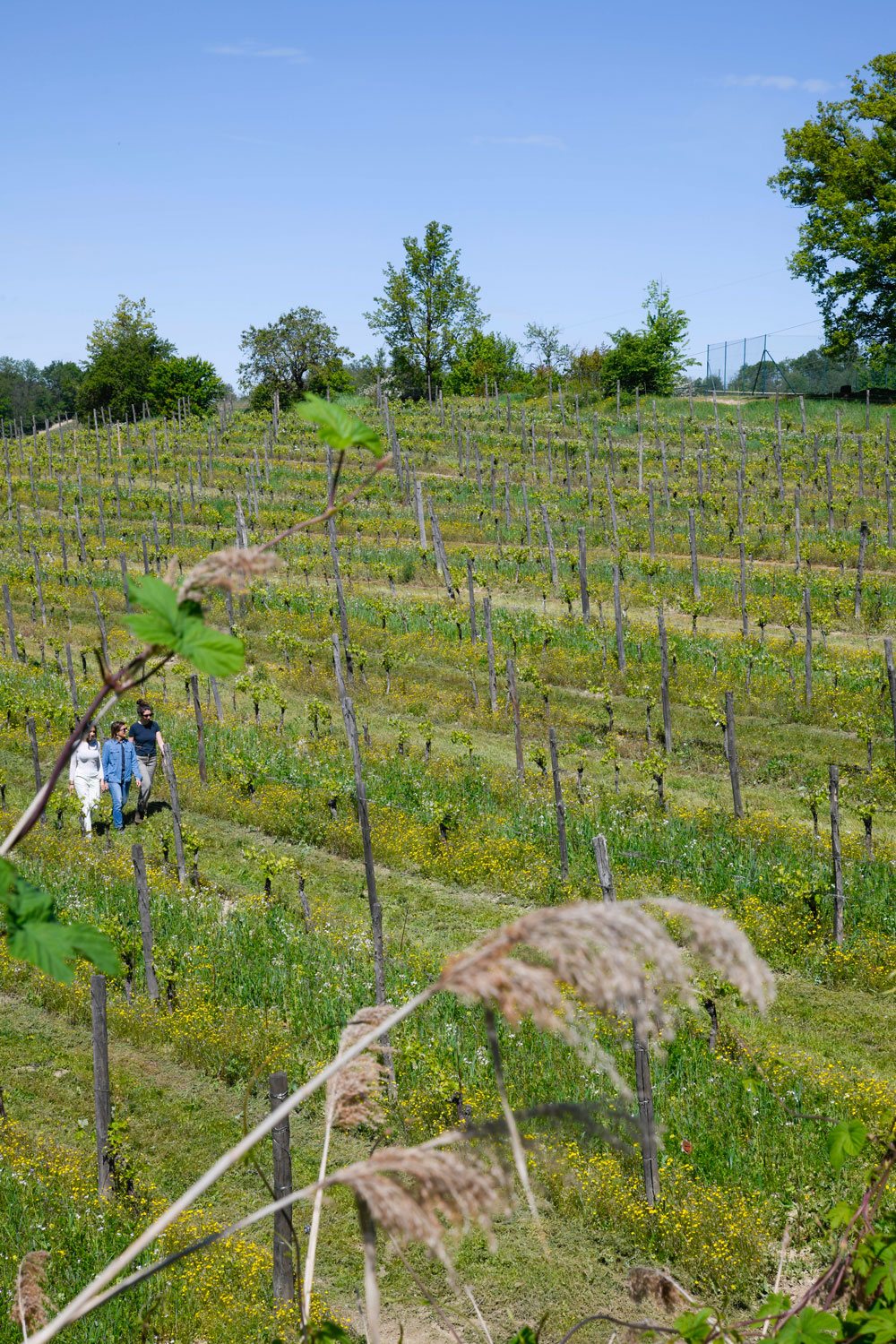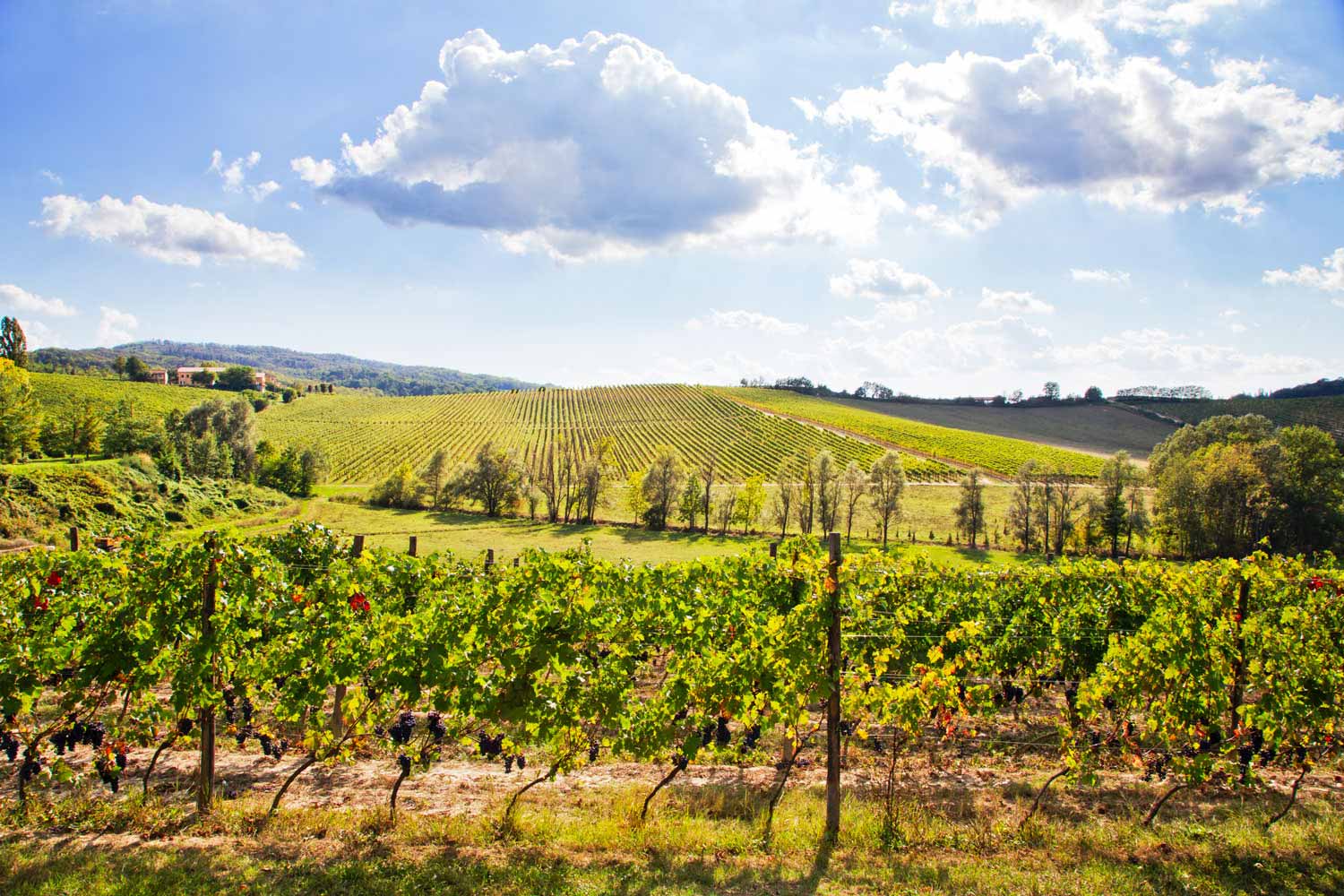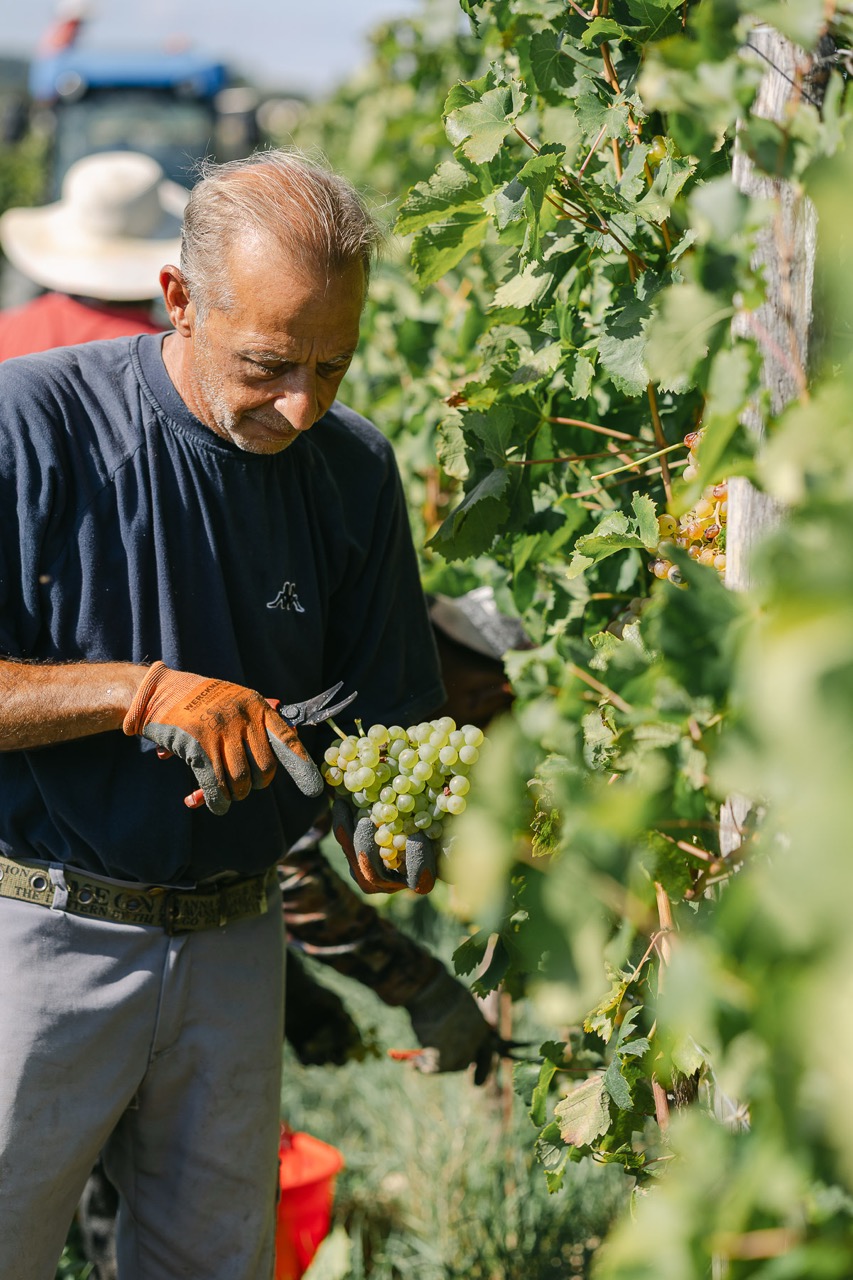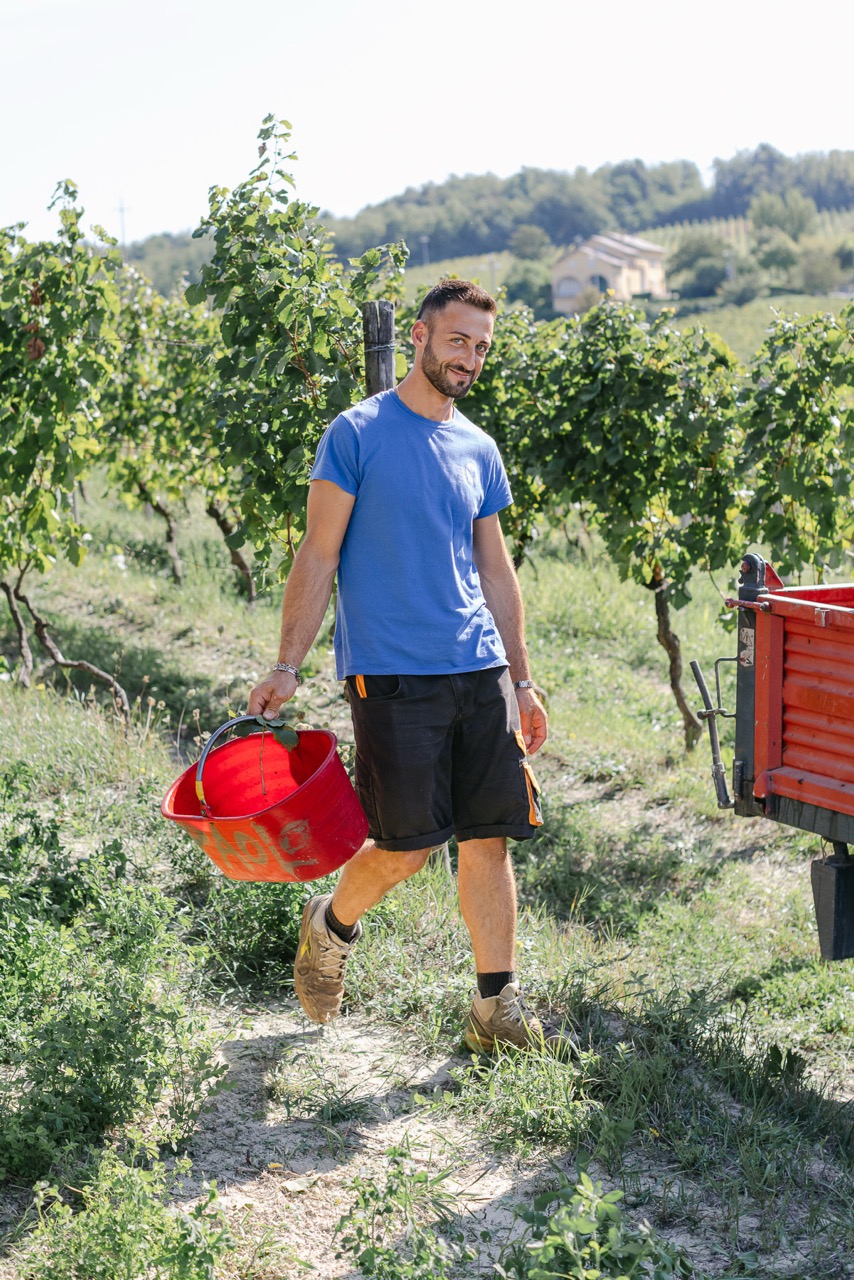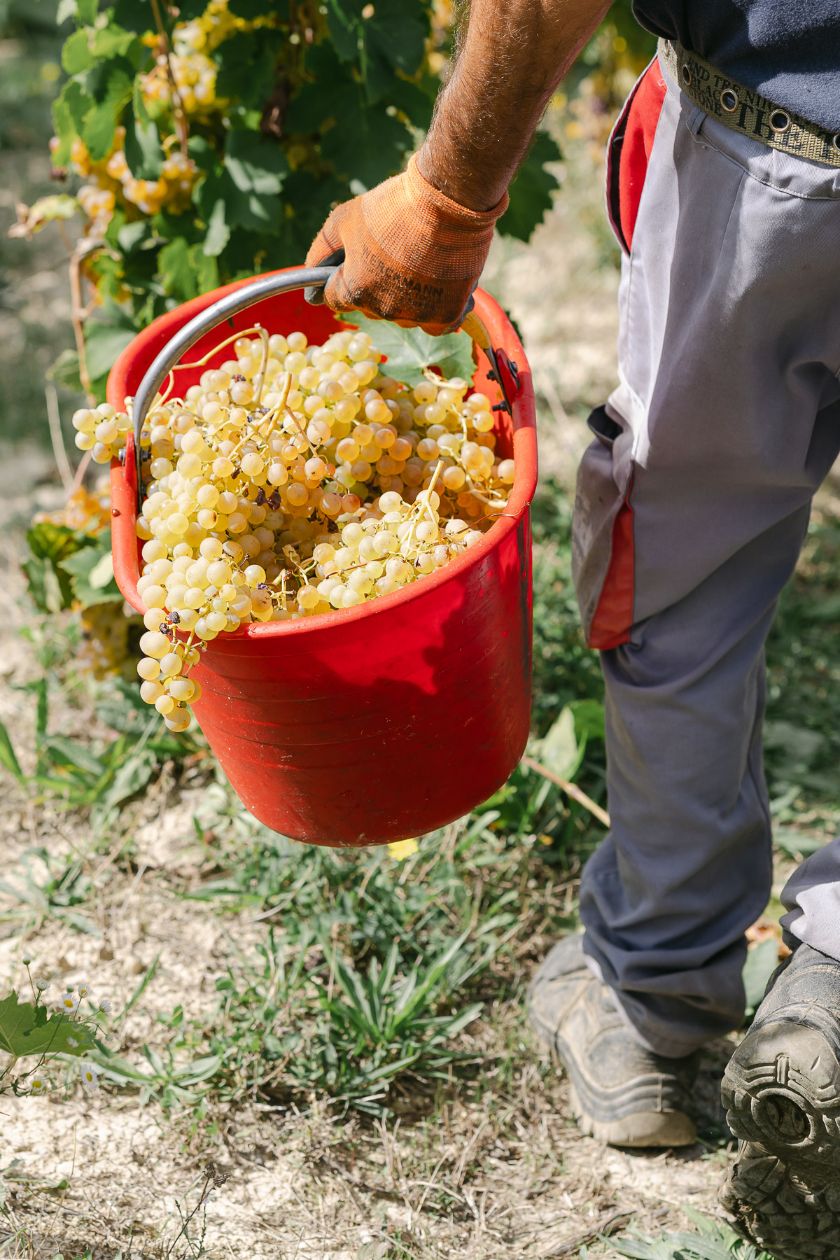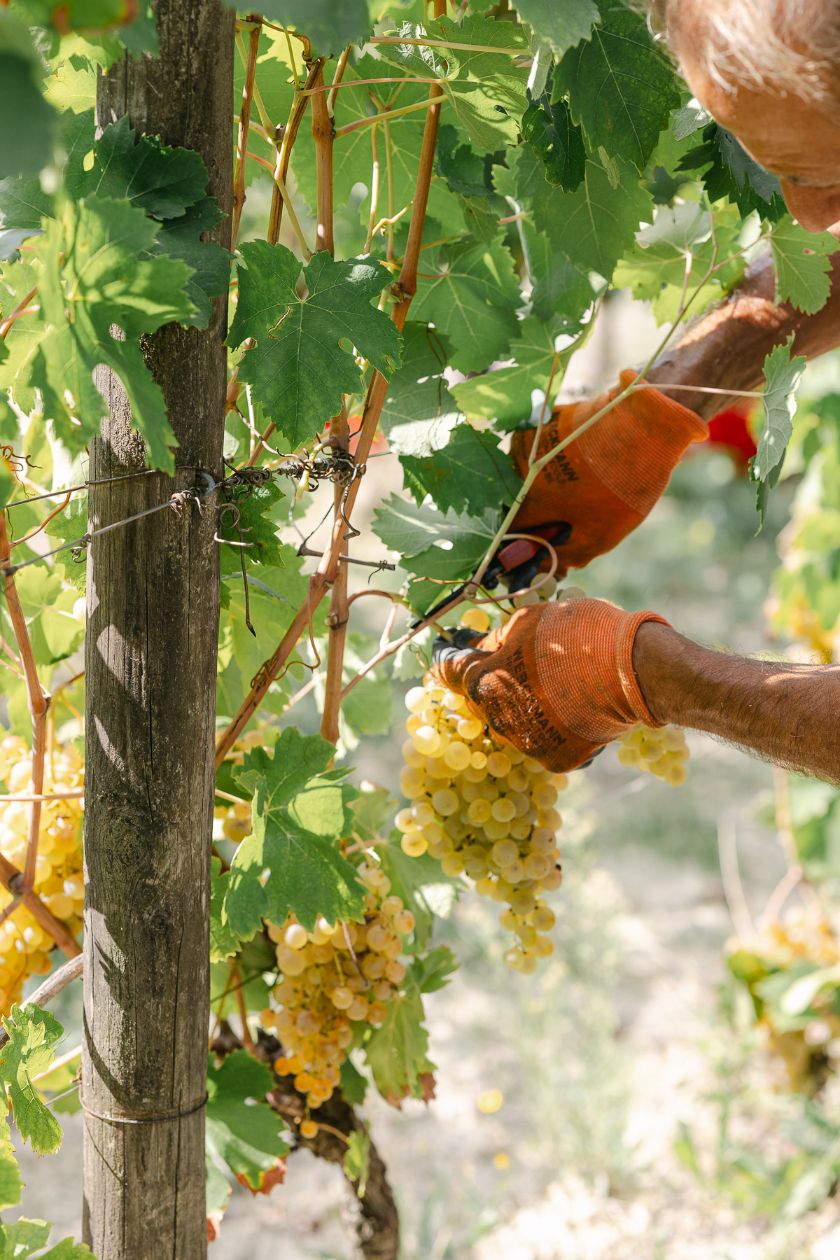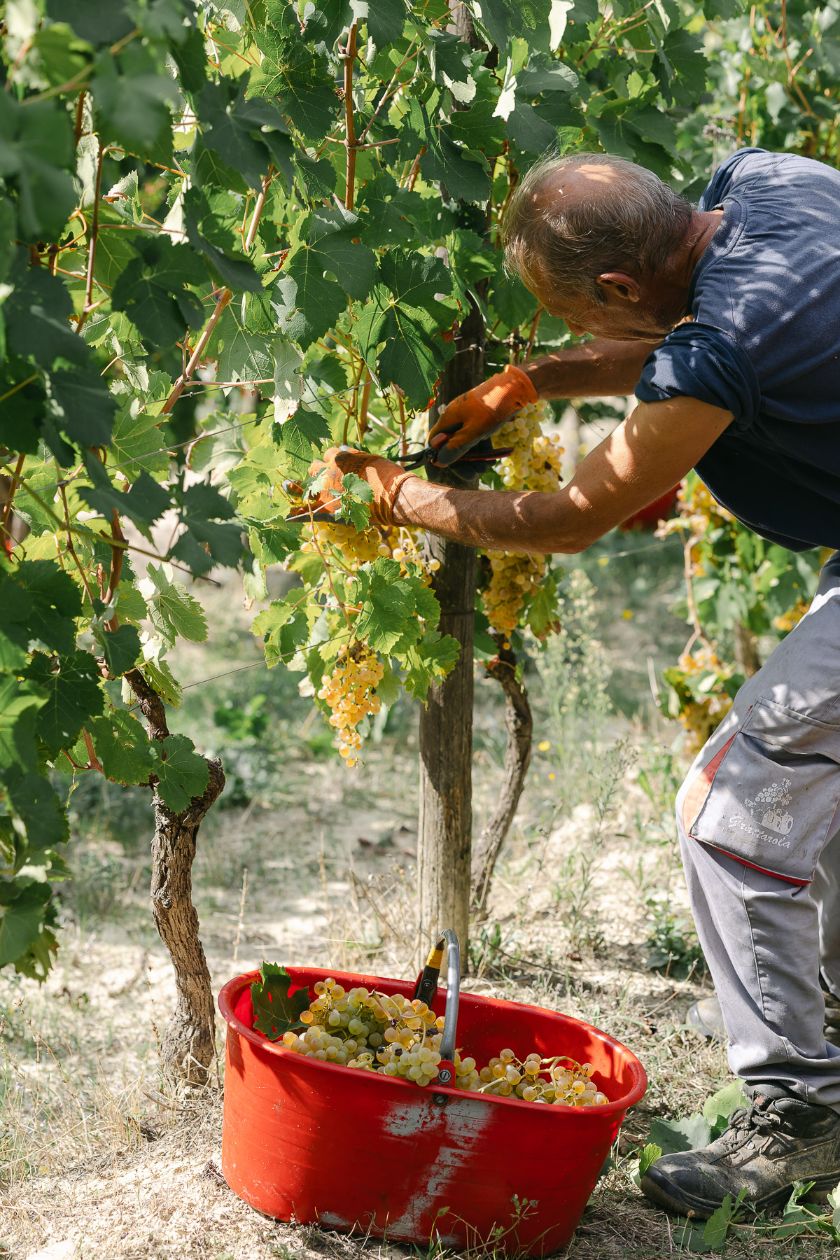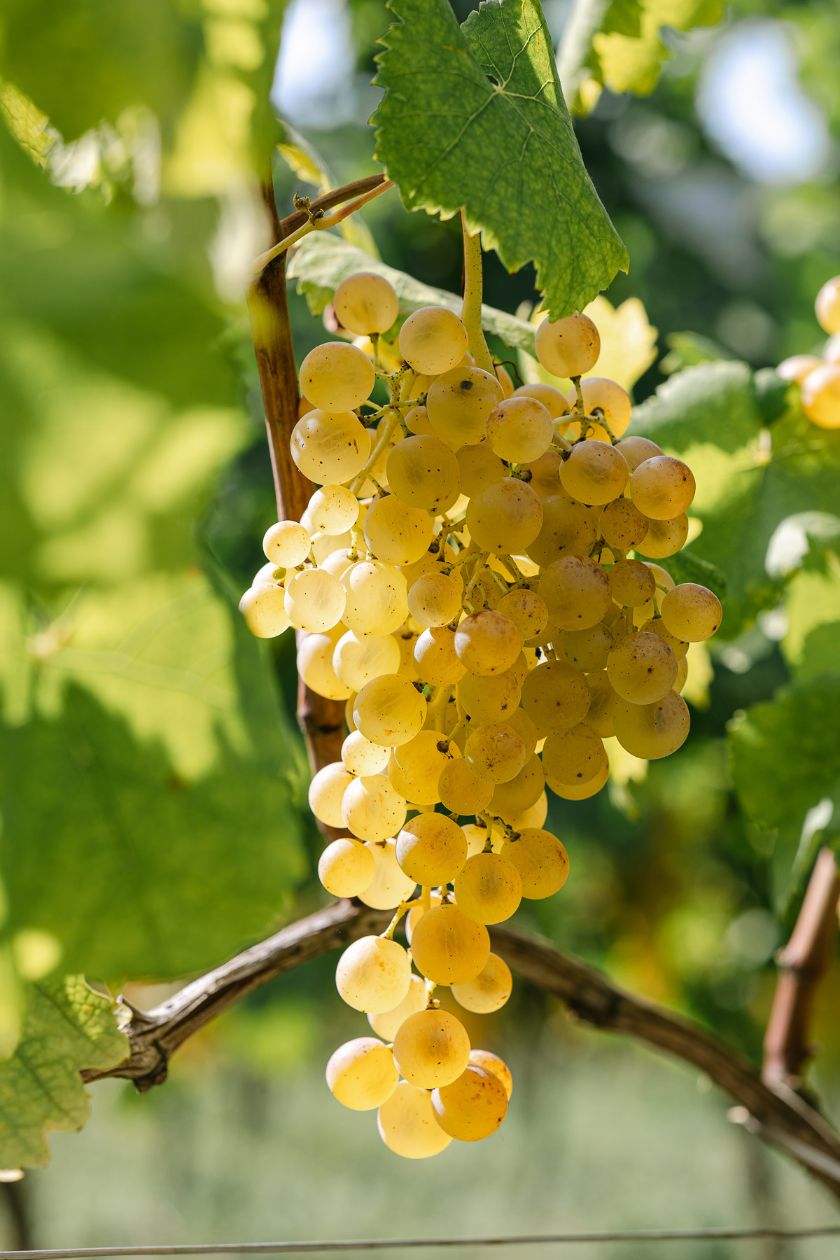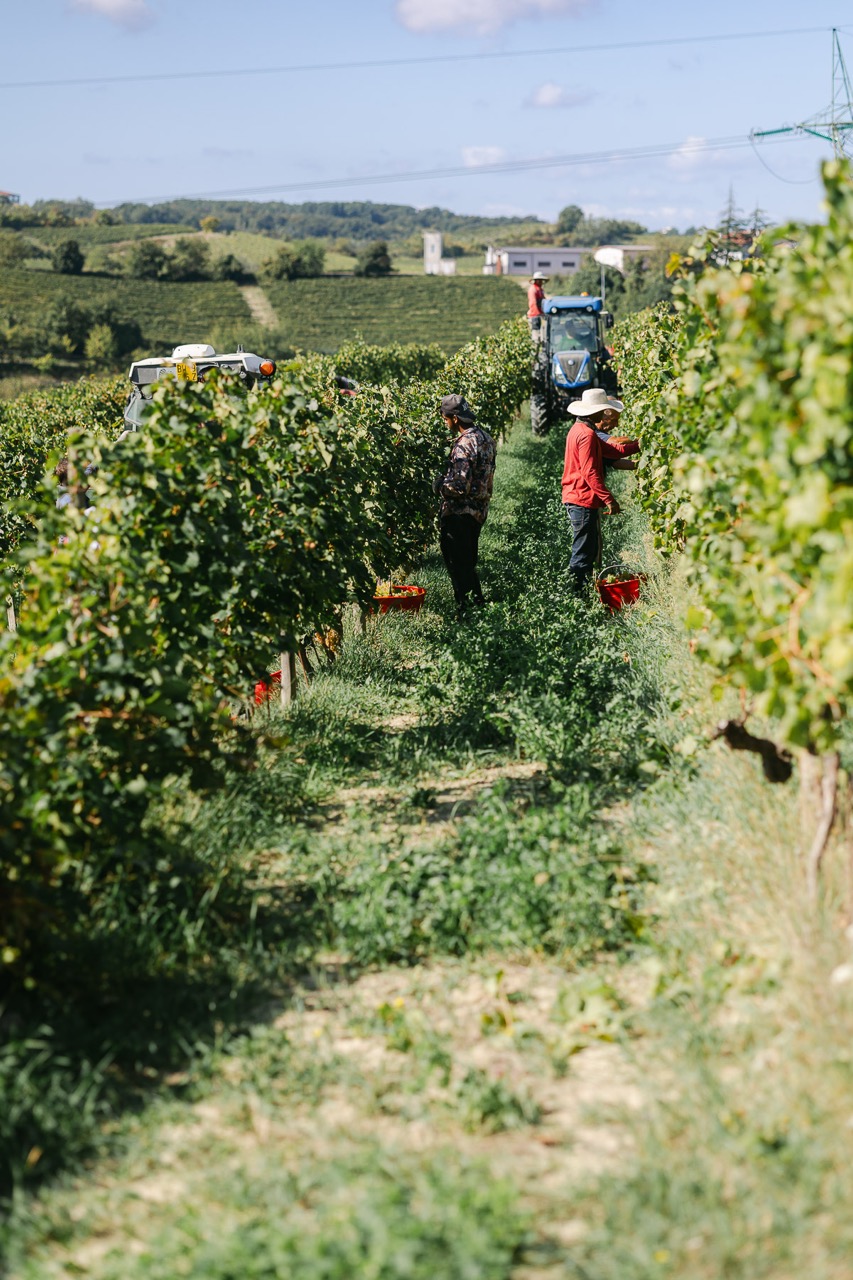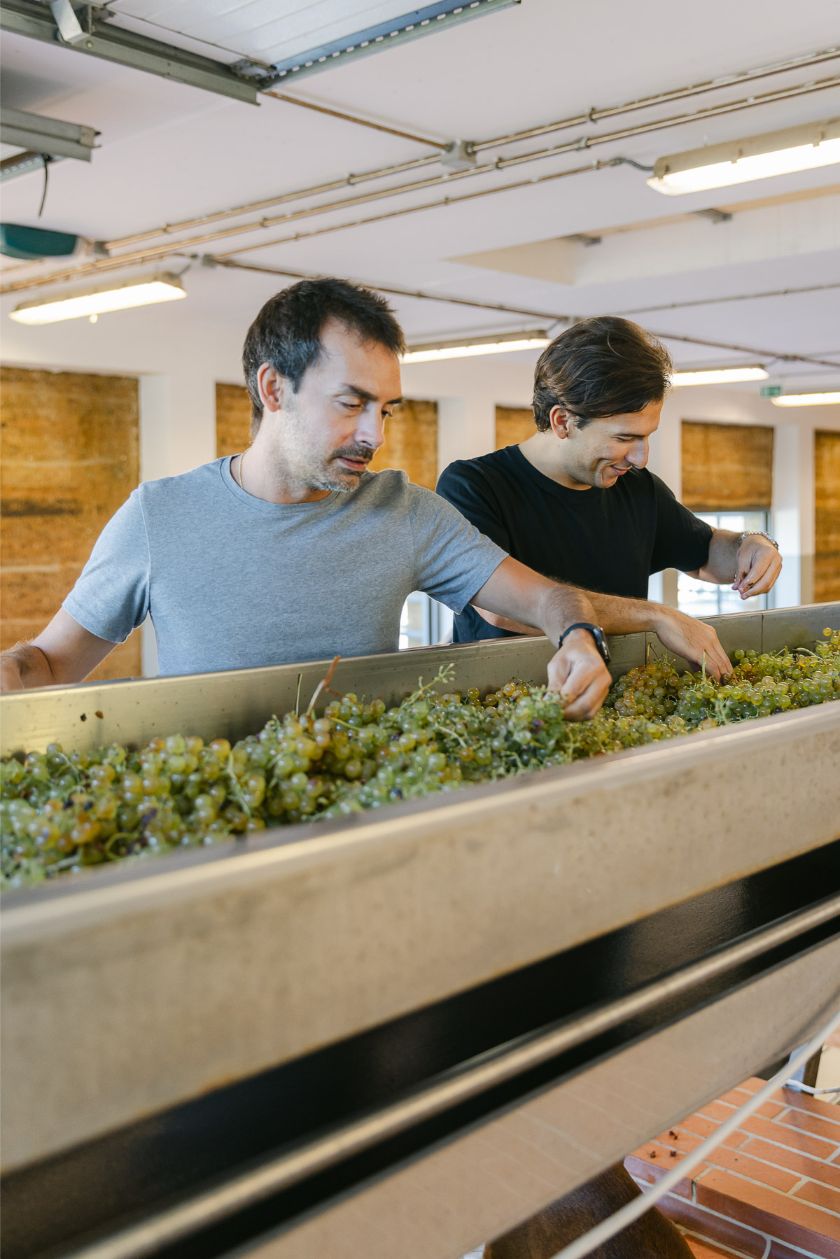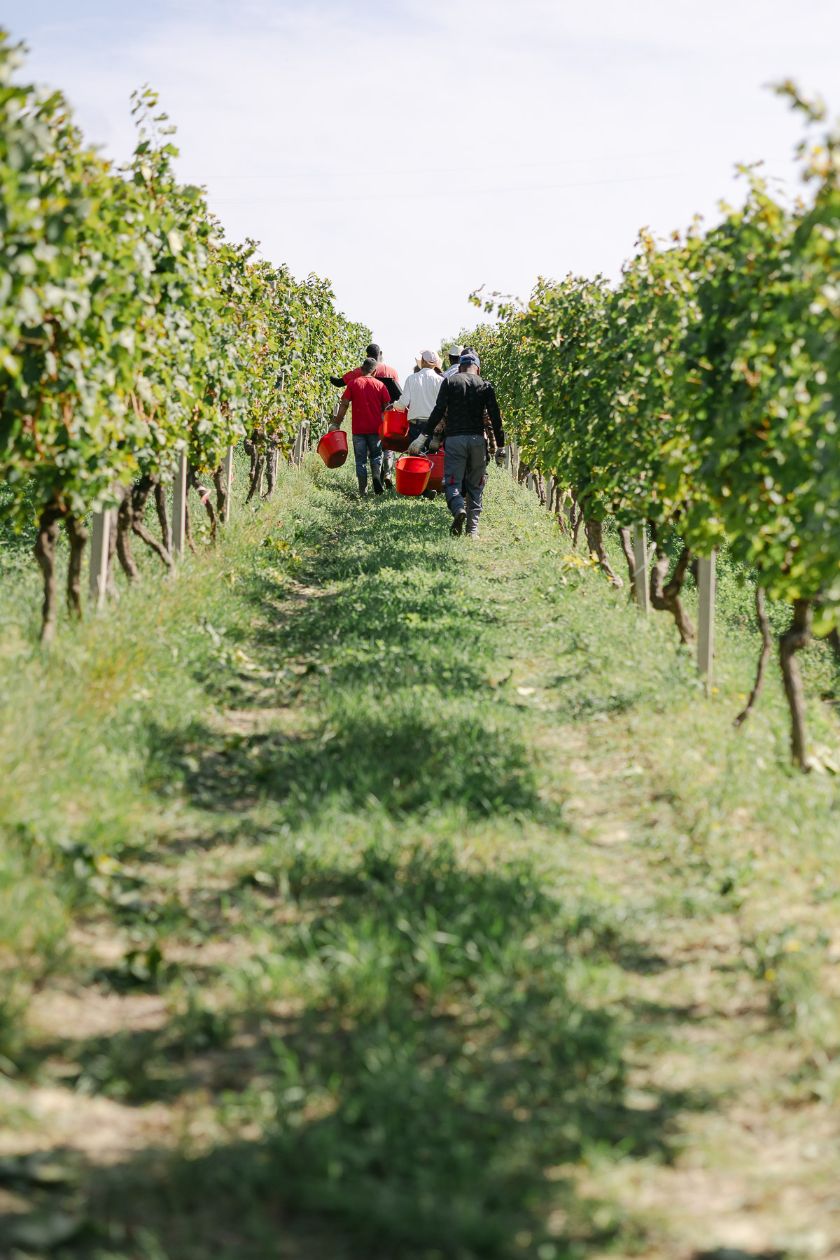
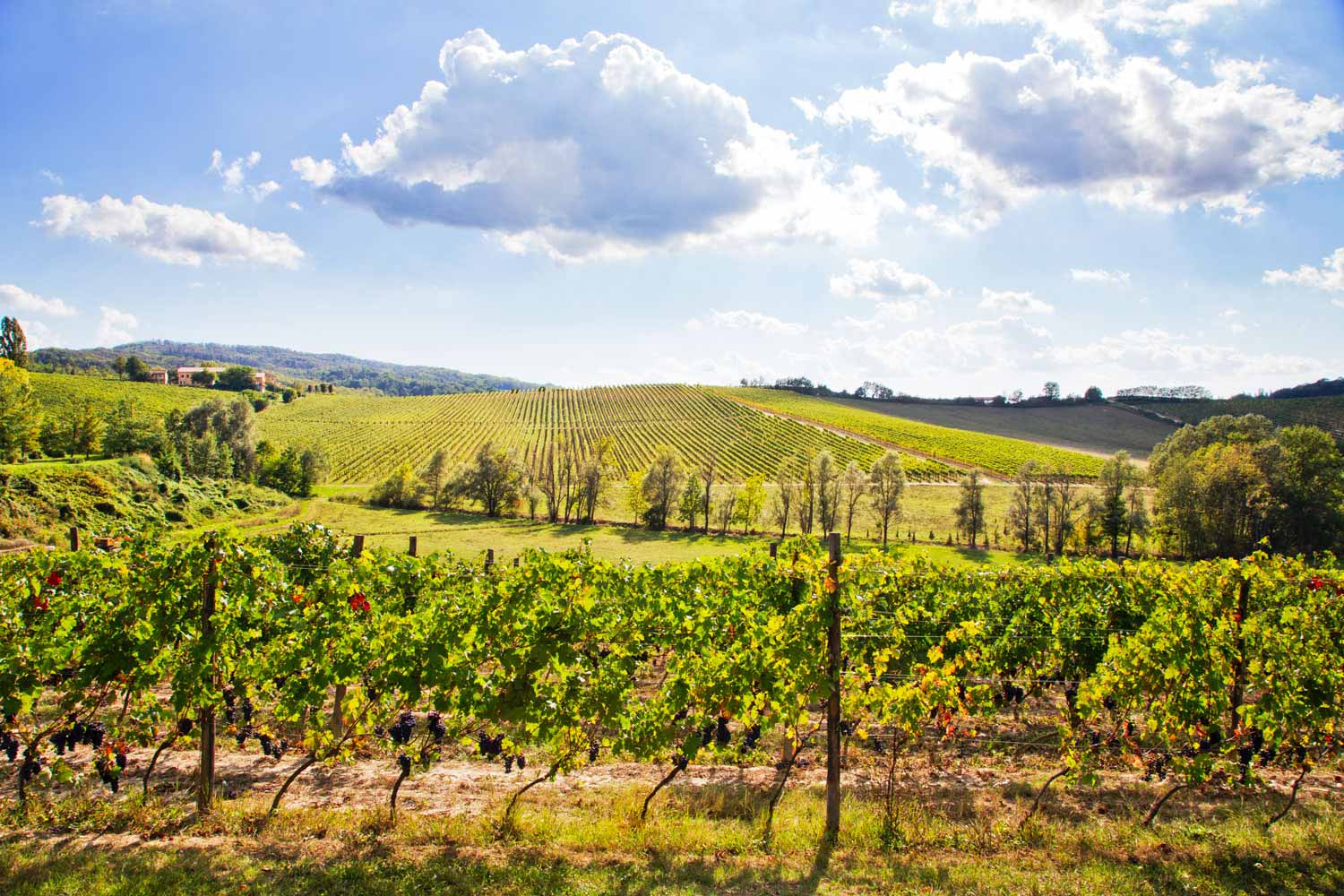
Cortese, Barbera and a few rows of Pinot Noir: these are the vineyards which spread out within La Raia.

The native Cortese and Barbera vines of La Raia occupy an area of ​​about 65 hectares, are planted in calcareous and clayey soils and have an average density of about 4,500 plants.
La Raia’s two age-worthy Gavi wines come from its oldest Cortese vines: Gavi DOCG Riserva from the La Madonnina vineyard, and Gavi DOCG Pisé from vines planted among the rows of Cascinetta . The estate’s newer vineyards produce a Gavi DOCG and a Piemonte DOC Barbera called Tenuta del Melo.

The Barbera vineyards extend in an area with excellent drainage, facing south. For its planting, a mass selection was carried out: we cut and grafted thousands of shoots from the best clones in the area, with the aim of maintaining maximum genetic variability within the same variety of vine.

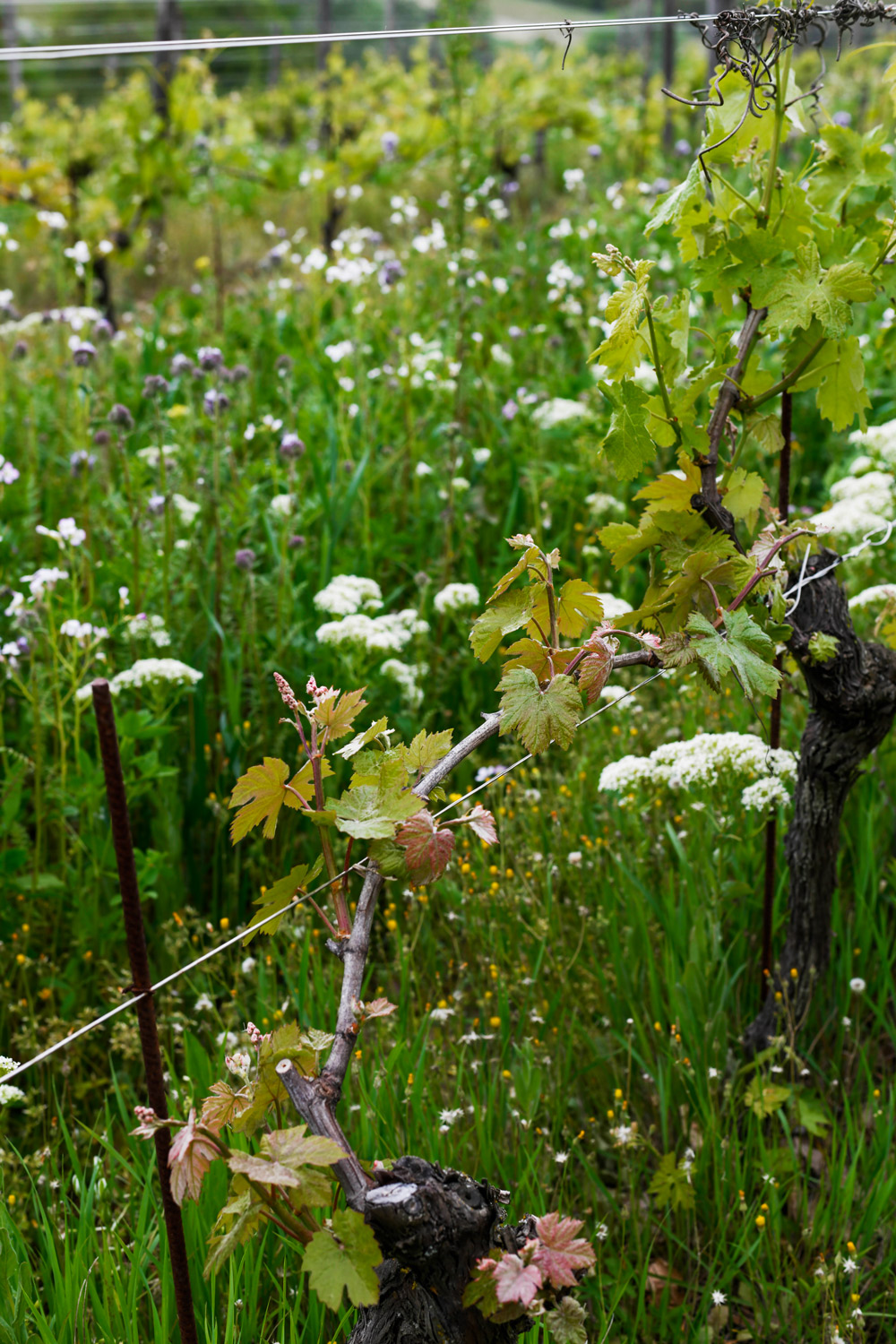
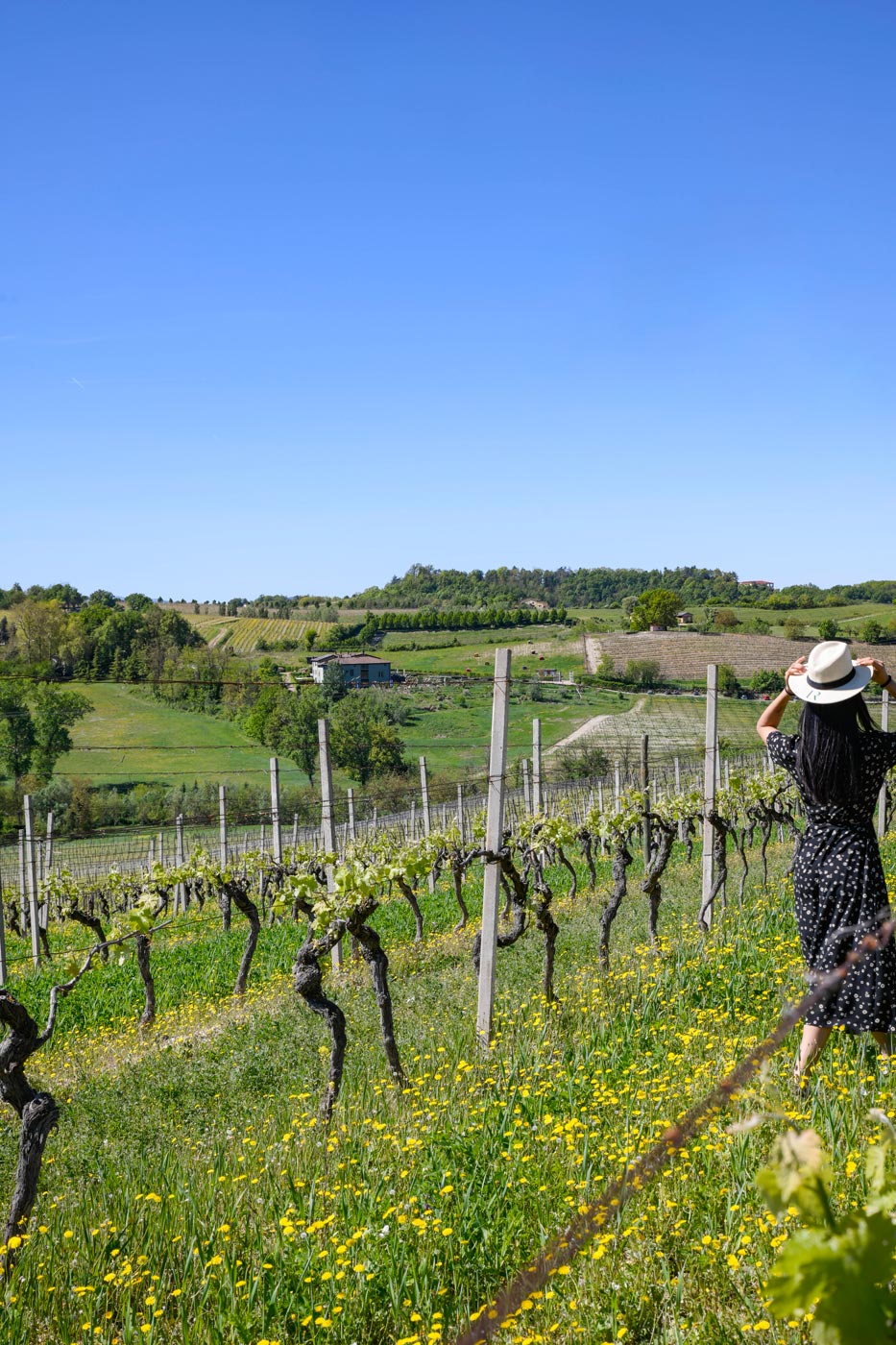
The vines are farmed using the biodynamic approach , which aims to strengthen the vitality of the plant and its ability to react and adapt to changes in its environment. The form of cultivation is Guyot: the vine has a trunk height of approximately 50-90 cm, while the fruiting head (fruit-bearing shoot renewed each year) is tied to the support wire horizontally: this ensures reduced expansion and better management of the leaf wall and exposure of the clusters.

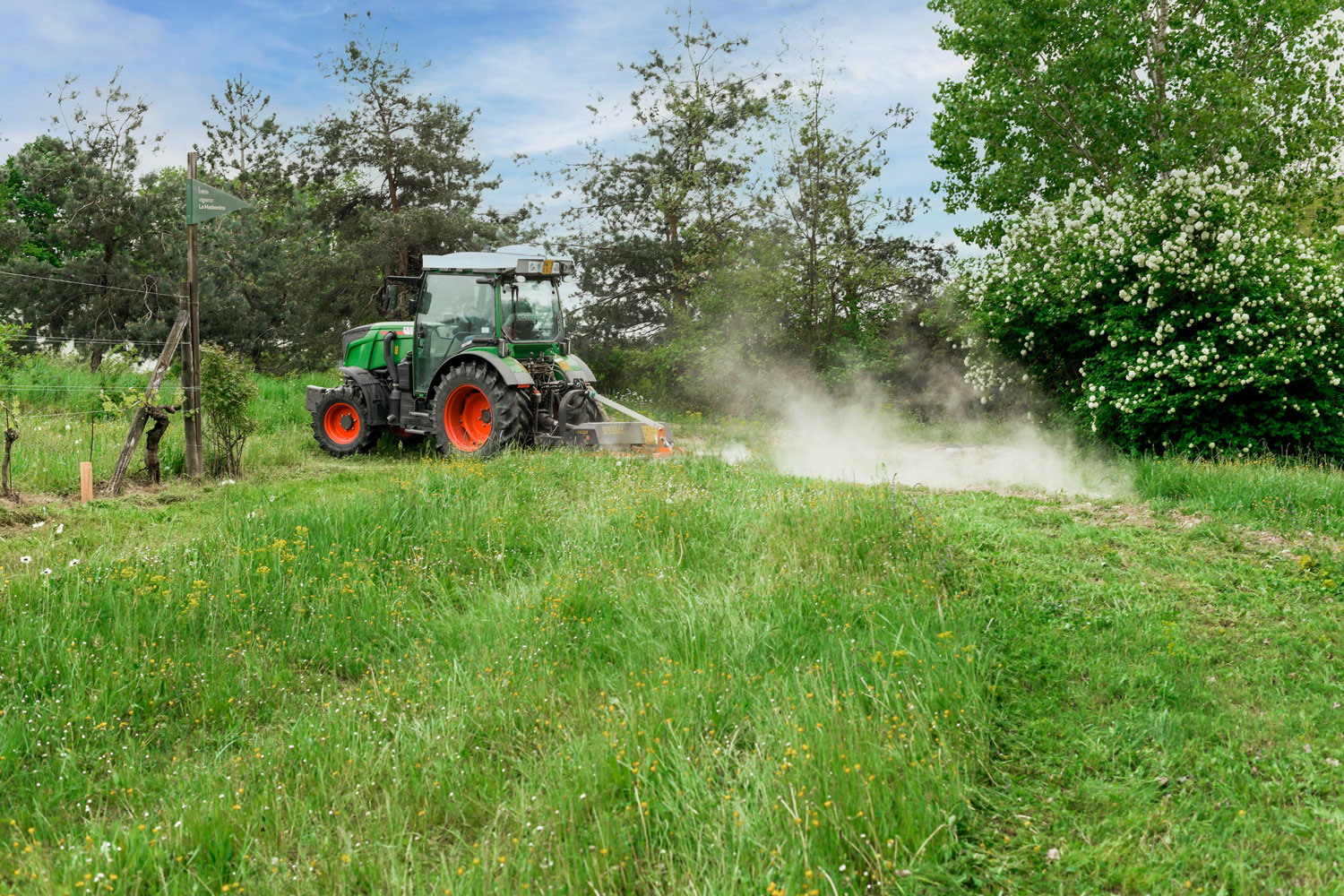
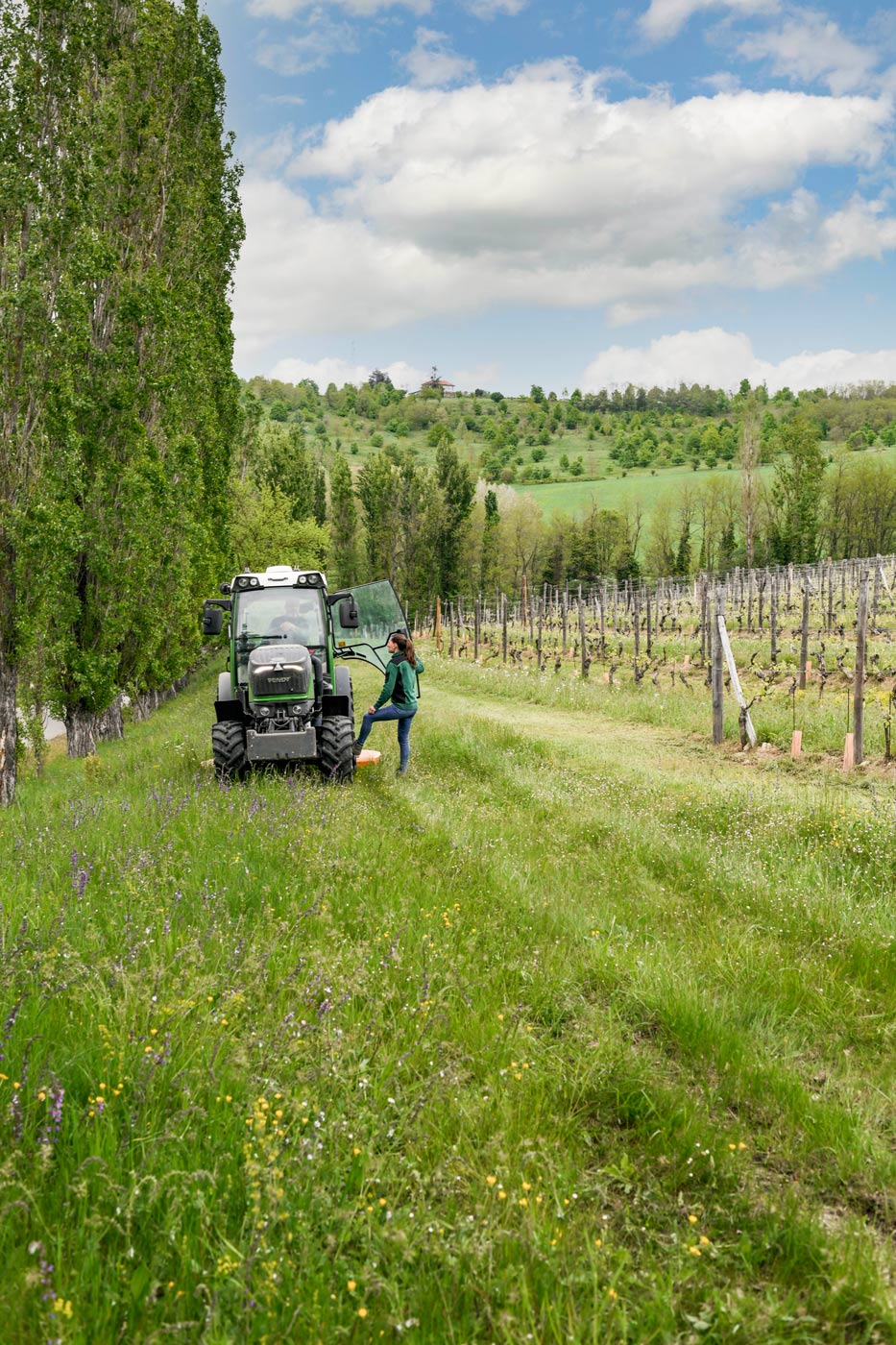
Conventional agriculture nourishes the plant with soluble food that is passively absorbed by the roots: in this way, the vines lose their identity and relationship with the soil, standardizing the flavor and characteristics of their fruit. The biodynamic method, on the contrary, aims at strengthening the plant in all its components, right from the roots, so that it maintains an optimal condition of balance with nature and the climate in which it lives. This is why, at La Raia, we plant, alternating between the rows, wild species and autumn green manure: these are in fact a selection of leguminous plants (broad beans, field beans, peas, vetch), but also cereals (oats, barley) which, thanks to their nitrogen-fixing properties and root action, have the power to improve soil fertility and structure. Wild grasses in the rows also help to increase the biodiversity of the subsoil by acting on the formation of humus and making it more stable. These plants will then be mowed to further benefit the soil.